Sort By
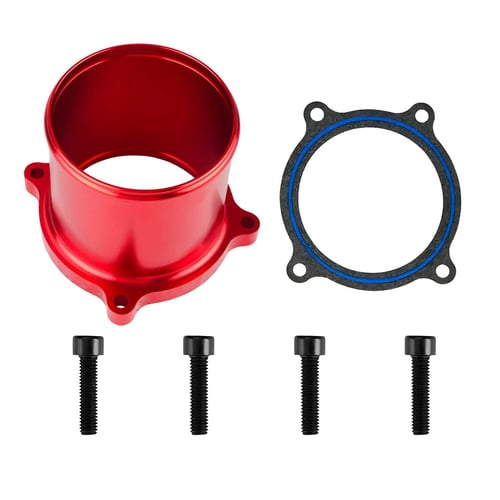
EGR Throttle Valve Delete Kit (Red) for 2007-2025 Dodge Ram 2500/3500/4500/5500 6.7L Cummins
Part #PEG0330AZZ
$32.88
- Vehicle Fit Guide: For 2007-2025 Dodge Ram 2500 3500 4500 5500 6.7L Cummins.Important: Not compatible with Cab & Chassis Trucks.
Save
2%
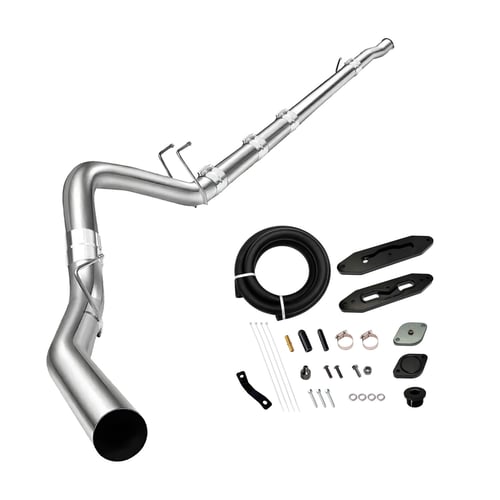
Downpipe-Back 5" Exhaust DPF Delete & EGR Delete Kit for 2011-2014&2017-2022 6.7L Powerstroke
Part #PCBDK01360AZZ
$690.98
$705.98
Save
25%
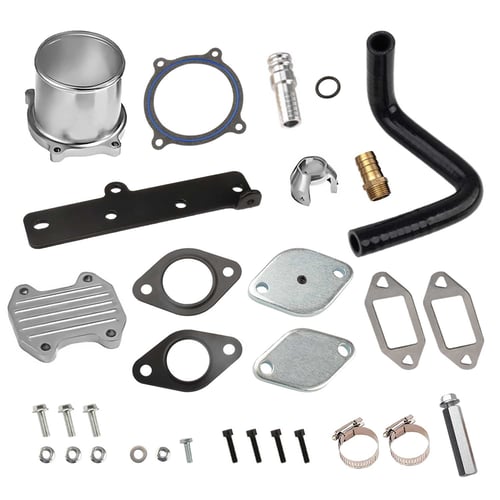
EGR Plate Cooler & Throttle Valve Delete Kit (Silver) for 2010-2024 Dodge Ram 2500 3500 6.7L Cummins
Part #PEG0230AZZ
$108.77
$144.99
- Vehicle Fit Guide: For 2010-2024 Dodge Ram 2500/3500 6.7L Cummins Diesel Pickup.Important: Not compatible with Cab & Chassis Trucks.
Save
11%
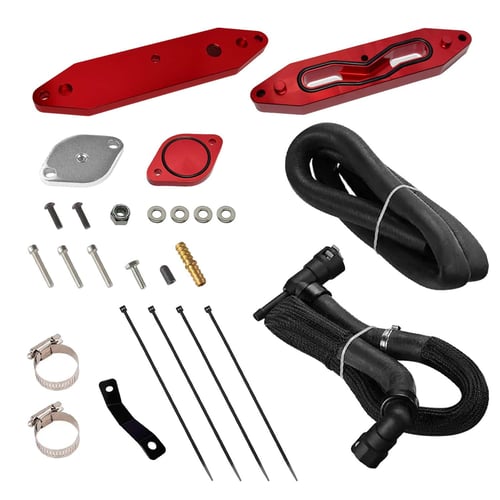
EGR Delete Kit (Enhanced/Red) with Coolant Bypass for 2015-2016 Ford F250/F350/F450/F550 Super Duty 6.7L Powerstroke Diesel
Part #PEG0220AZZ
$124.99
$139.99
- Vehicle Fit Guide: 2015-2016 Ford F250/F350/F450/F550 Super Duty 6.7L Powerstroke Diesel
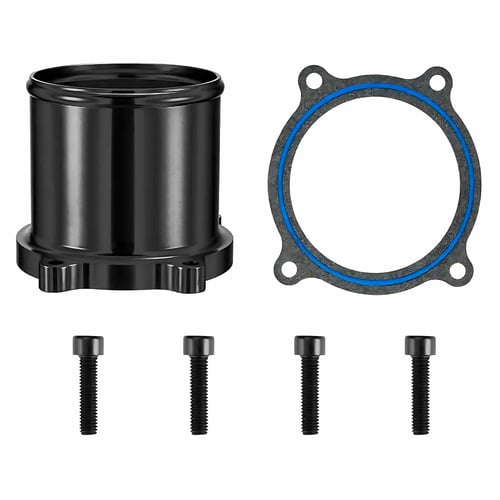
EGR Throttle Valve Delete Kit (Black) for 2007-2025 Dodge Ram 2500/3500/4500/5500 6.7L Cummins
Part #PEG0170AZZ
$44.99
- Vehicle Fit Guide: For 2007-2025 Dodge Ram 2500 3500 4500 5500 6.7L Cummins Diesel Pickup.Important: Not Compatible with Cab & Chassis Trucks.
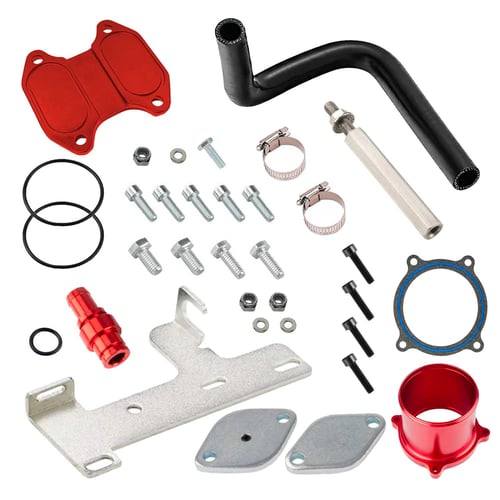
EGR Valve & Cooler Delete Kit Throttle Valve Delete (Red) for 2010-2024 Dodge Ram 2500/3500 6.7L Cummins
Part #PEG0370AZZ
$117.77
- Vehicle Fit Guide: For 2010-2024 Dodge Ram 2500/3500 6.7 Cummins Pickup.Important: Not compatible with Cab & Chassis Trucks.
Save
21%
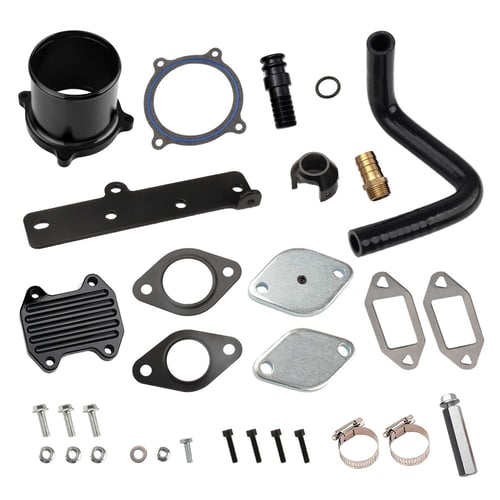
EGR Plate Cooler & Throttle Valve Delete Kit (Black) for 2010-2024 Dodge Ram 2500 3500 6.7L Cummins
Part #PEG0010AZZ
$108.77
$136.99
- Vehicle Fit Guide: For 2010-2024 Dodge Ram 2500/3500 6.7L Cummins Diesel Pickup.Important: Not compatible with Cab & Chassis Trucks.
Save
5%
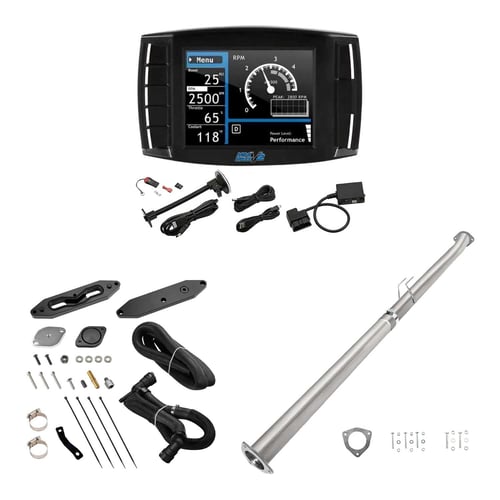
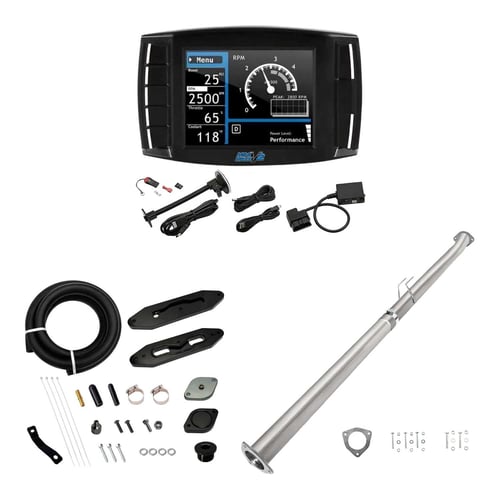
DPF/DEF/EGR Full Delete Kit for 2015-2016 6.7L Powerstroke | Mini Maxx Tuner V2, 4" Delete Pipe, Black EGR Delete Kit
Part #PCBDK0320AZZ
$1,289.00
$1,350.99
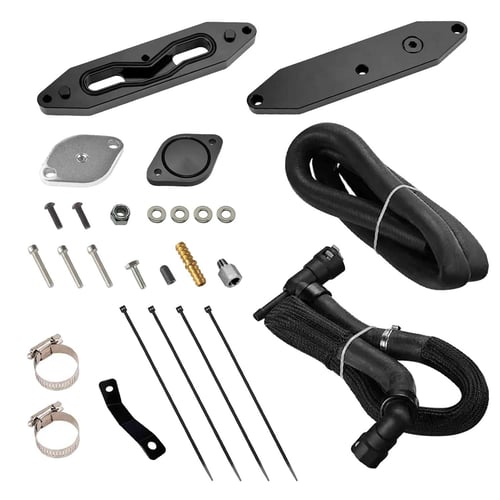
EGR Delete Kit (Enhanced/Black) with Coolant Bypass for 2015-2016 Ford F250/F350/F450/F550 Super Duty 6.7L Powerstroke Diesel
Part #PEG0280AZZ
$129.99
- Vehicle Fit Guide: 2015-2016 Ford F250/F350/F450/F550 Super Duty 6.7L Powerstroke Diesel